
BLANCHIMENT DENTAIRE
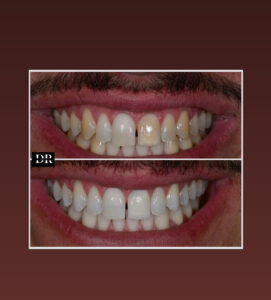
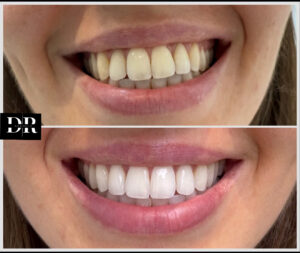
The Benefits of Teeth Whitening :
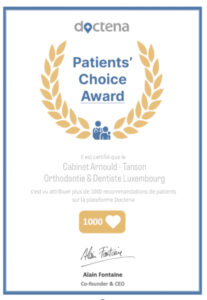
Patients Choice Award: Over 1000 patients have recommended CABINET ARNOULD-TANSON Dentists 🦷
A bright smile is often perceived as a sign of health and vitality. The benefits of teeth whitening go beyond aesthetics:
Improved self-esteem: Whiter teeth can boost confidence, particularly in social or professional interactions.
Positive perception: A bright smile is associated with a well-groomed appearance, favorably influencing first impressions.
Accessibility: With a variety of options available, teeth whitening is now accessible for different budgets and needs.
Psychological effect: Patients often report an improvement in their well-being after treatment, feeling more confident and able to smile.
However, the choice of method is crucial to guarantee lasting results and avoid undesirable effects, such as tooth sensitivity or enamel damage.
What is the price of tooth whitening in Luxembourg at the office of Dr ARNOULD Clement – TANSON?
500 euros
The Different Methods of Teeth Whitening
- Whitening Toothpastes: A Limited Solution.
Whitening toothpastes are widely available in pharmacies and supermarkets, promising a whiter smile at a lower cost. They contain abrasive agents (such as baking soda) or mild chemical compounds (low-concentration hydrogen peroxide) to remove surface stains.
Advantages:
Low cost: An economical option for regular use.
Limitations:
Limited effectiveness: These toothpastes only work on extrinsic stains (coffee, tea, tobacco) and have no effect on the intrinsic color of the tooth.
Risk of abrasion: Prolonged use can wear down enamel, increasing tooth sensitivity.
Minimal results: Shade changes are often imperceptible, even after several weeks.
Due to their low concentration of whitening agents, these toothpastes are not suitable for patients seeking a significant color change. - Smile Bars: An Economical but Risky Option.
Smile bars, offered by beauticians or in specialized non-dental centers, use hydrogen peroxide or carbamide peroxide gels at varying concentrations (often 0.1 to 6%). The treatment, which lasts approximately 20 to 60 minutes, is affordable.
Advantages:
Affordable cost: Less expensive than professional dental treatment.
Limitations:
Risks to enamel: High-concentration gels, applied without dental supervision, can cause gum burns or enamel erosion.
Lack of control: Beauticians are not trained to assess oral health, increasing the risk of complications.
Temporary results: The effect often fades within a few weeks.
Increased sensitivity: Patients frequently report post-treatment tooth sensitivity.
This method, while attractive due to its price, is not recommended without prior consultation with a dentist because of the risks to oral health. - Laser Whitening: A Professional Approach.
Laser whitening, performed in a dental office, uses a hydrogen peroxide gel (15-38%) activated by a laser or LED light to accelerate the whitening process. A session lasts approximately one hour, with varying costs.
Advantages:
Fast results: A significantly lighter shade from the first session.
Professional supervision: Performed by a dentist, ensuring a prior assessment of dental health.
Increased safety: Protective barriers (rubber dams) are used to prevent gum burns.
Limitations:
Less effective: Compared to trays, laser whitening offers less lasting and less uniform results, especially for heavily stained teeth.
High cost: More expensive than smile bars, with no guarantee of superior long-term results.
Tooth sensitivity: Temporary discomfort is common after treatment. - A major drawback of laser teeth whitening is that it is less effective than whitening with trays.
Although professional, laser whitening is often less effective than trays for deep and lasting results.
- Whitening with Trays: The Aesthetic Standard.
Whitening with trays, performed under dental supervision, uses custom-made trays filled with hydrogen peroxide or carbamide gel (10 to 20%). Patients wear the trays at home, generally 2 to 4 hours a day or overnight, for 1 to 3 weeks.
Advantages:
Optimal effectiveness: Offers more uniform and long-lasting results (up to 1 year with good hygiene).
Customization: Custom-made trays ensure precise application of the gel, minimizing risks to the gums.
Comfort: Use at home, with a dental check-up to adjust the gel concentration.
Safety: Professional supervision reduces the risk of sensitivity or enamel damage.
Limitations:
Treatment time: Requires several weeks, unlike the speed of laser whitening.
Compliance: Requires daily discipline to adhere to the prescribed wearing times.
Initial cost: Higher than smile bars, but comparable to laser whitening.
Studies show that tray whitening surpasses laser in terms of durability and uniformity, especially for intrinsic stains, thanks to prolonged application of the gel.
The choice depends on aesthetic expectations, budget, and dental health. A prior consultation with a dentist is essential to assess the condition of the teeth and gums, as cavities or untreated periodontal disease can worsen sensitivity or cause damage during the whitening process.
Precautions and Maintaining Results
Regardless of the type of whitening, certain precautions are necessary:
Avoid staining foods and drinks (coffee, red wine, tobacco) during and after treatment to prolong the results.
Maintain rigorous oral hygiene: Brush twice a day and use dental floss.
Retention: Periodic touch-ups with trays or whitening toothpaste can maintain whiteness.
Dental consultation: Essential before any treatment to avoid complications, such as excessive sensitivity.
Whitening is not recommended for pregnant women, people with sensitive teeth, or those with restorations (crowns, veneers) that are not suitable for whitening.
Today’s society is obsessed with beauty, and some people want to improve their physical appearance to feel good about themselves. People also desire whiter teeth.
Even if a person brushes their teeth two or three times a day and uses dental floss and interdental brushes, these habits are unfortunately not enough to keep teeth white.
Teeth whitening therefore comes into play to restore brightness to the smile.
This chemical reaction lightens teeth by several shades. In fact, some dentists use the term “teeth whitening” to refer to teeth whitening.
In some cases, teeth whitening can make a noticeable difference to a person’s smile. In other cases, the results will be less significant, depending on the nature of the teeth.
A dental examination is necessary before whitening; its purpose is to:
- Check for infections and periodontal/gum problems: you must not have cavities in your mouth before teeth whitening. The nature of your tooth discoloration will be assessed. The dentist can then advise you whether whitening will improve their color and if other solutions might be more suitable (for example, dental veneers without excessive tooth preparation). Any contraindications to whitening will also be checked.
- An assessment of your current (reference) tooth color will allow you to compare the whitening results with your baseline shade. Without knowing your starting color, it will be difficult to evaluate the whitening effect.
Teeth whitening can sometimes cause sensitivity. We use highly controlled products from a Swiss brand, and patients very rarely complain of sensitivity, although it can occur. These products are used in some of the finest dental practices in Europe (Clinique du Sourire in Paris and Cabinet de Dentisterie Esthetique in Geneva, Switzerland).
After teeth whitening, patients will be advised to avoid coffee, tea, and colored drinks, and to maintain optimal oral hygiene. If possible, they should also quit smoking.
If teeth are too “black/dark” or stained, in some cases dental veneers will be a more optimal solution to regain a beautiful smile.
PriceTeeth whitening in Luxembourg:
Regarding the cost of teeth whitening, it’s important to know that most dental treatments are reimbursed by the Luxembourg National Health Fund (CNS). However, teeth whitening is considered a cosmetic procedure and is therefore not covered by health insurance.
Teeth whitening typically lasts 6-8 months and lightens teeth by 2 to 3 shades, making them appear whiter. It lasts for several months and gives teeth a beautiful appearance.
What is the price of teeth whitening in Luxembourg?
The price of teeth whitening at our practice is €500, not covered by the CNS (National Health Fund). To this must be added the cost of the X-ray and cleaning, if necessary, which are covered by the CNS. Dr. Arnould Clément performs teeth whitening at his practice located in Dudelange, Luxembourg.
The price of tooth whitening in our office is 500 euros, not reimbursed by the CNS . To this must be added the costs of the x-ray, and cleaning if necessary, which are reimbursed by the CNS. Dr Arnould Clément carries out tooth whitening during a 30 to 45 minute session in his office located in Dudelange, Luxembourg.
Office address:
48-52 avenue Grande Duchesse Charlotte L-3440
Dudelange, Luxembourg
Link to book an appointment online on Doctena:
You can also contact the practice of Dr. ARNOULD – TANSON and associates by telephone: +352 26 52 15 30 or +352 621 257 940. Or by booking an appointment online with Doctena by clicking on this link: Make an Appointment
Links:
- Academy of Smiles
- French Dental Association
- New York University’s College of Dentistry
More information is available on our website : https://www.dentiste-tanson.lu