
Cabinet ARNOULD – TANSON taking online appointment or by telephone +352 621 257 940
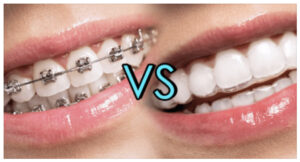
There’s no age limit to starting orthodontic treatment. Aligning crooked teeth, closing gaps, straightening teeth, and adjusting bite and chewing are all possible. Invisible and traditional aesthetic orthodontic treatments have been available for years to help you regain your smile. Orthodontics without extractions: A rigorous approach for stable results.
The cornerstone of my orthodontic practice is meticulous work, regardless of the chosen method. The goal is to achieve impeccable dental alignment, without compromising on precision, while ensuring perfect harmony between the upper and lower arches. Excessive occlusal contacts are eliminated to optimize functionality. To guarantee the longevity of the results, robust, custom-made retainers manufactured in Luxembourg are used, along with protective aligners designed to maintain long-term stability.
Personalized Planning in the Office
In my practice in Luxembourg, I personally manage every orthodontic treatment, including those using clear aligners. Each treatment plan is carefully developed, analyzing each tooth individually, without relying on the automated simulations provided by aligner manufacturers’ software. These tools lack the precision needed to perform complex orthodontic movements and prevent relapse, making a customized approach essential for ensuring long-lasting, high-quality results.
Dr. Arnould’s practice, thanks to its expertise in advanced technologies, offers orthodontic treatments that can avoid tooth extractions. Depending on the case, it is possible to create enough space to align teeth without resorting to maxillofacial surgery or tooth extraction. We recommend early screening for your child, ideally between the ages of 6 and 9, to intervene before it’s too late.
FAQ on reimbursements and prices of orthodontic treatments in Luxembourg:
- What is the price of orthodontic treatment for children in Luxembourg at Dr. ARNOULD’s practice?
The price of orthodontic treatment for children varies depending on the duration of the treatment, a request for coverage must be made to the CNS, the treatment is checked by a CNS Consulting Dentist who validates the treatment.
The price of orthodontic treatment for children’s braces is therefore subject to the CNS which generally reimburses 40% of the price of the treatment, then private insurances (such as CMCM Dentaplus, DKV …) reimburse on average 40% of the price of the treatment, leaving a balance of 20% to be paid by the patient/parents, payable in several installments.
- What is the price of invisible orthodontic treatment for adults and children, such as treatment with clear aligners, in Luxembourg?
The cost of adult orthodontic treatment varies depending on the duration of treatment, the complexity of the treatment/number of aligners required, and the extent of any misalignment or crooked teeth. Orthodontics is covered by most health insurance plans, including for French and Belgian cross-border workers.
Regarding the price of adult orthodontics in Luxembourg, some supplementary health insurance/mutuals largely reimburse treatment costs; the reimbursement rate varies depending on the mutuals and contracts, after reimbursement.
An appointment is required at the dental practice for a dental consultation and clinical examination. In 2025, the price of adult orthodontic treatment with clear aligners at our practice in Luxembourg will be around €300 per month, payable in several installments. This means that the out-of-pocket cost for the patient is approximately €3,000 after reimbursement from health insurance companies (CMCM Denta+ which reimburses €2,000; DKV depending on the plan, etc.).
Tip: Take out Luxembourg health insurance to be reimbursed for part of your orthodontic treatment.
- Can I pay in installments?
Yes, absolutely, we have implemented a monthly payment system to make life easier for our patients. Depending on the type of treatment, it is possible to pay in up to 24 installments.
Dr. ARNOULD, Dentist – Orthodontics – sees patients from Monday to Saturday at 48 Avenue Grande Duchesse Charlotte in Dudelange, in the heart of Luxembourg, for your invisible orthodontic treatment in Luxembourg.
- Which health insurance plan do you recommend for orthodontics for adults and children?
Currently, the CMCM health insurance plan, with its Dentaplus package, provides excellent coverage for orthodontics (€2,000 covered by 2025, starting 3 months after enrollment). Many company health insurance plans cover adult orthodontics, but it all depends on your specific contract. DKV is another health insurance provider that may reimburse part of the treatment.
- How much does orthodontic treatment cost?
The cost of orthodontic treatment, whether it involves braces or clear aligners
Dr. ARNOULD, Dentist – Orthodontics – sees patients from Monday to Saturday at 48 Avenue Grande Duchesse Charlotte in Dudelange, in the heart of Luxembourg, for your invisible orthodontic treatment in Luxembourg.
- Is it possible to whiten teeth after orthodontic treatment?
Yes. We offer in-office teeth whitening at the end of treatment, so you can fully enjoy your new smile.
- How much does teeth whitening cost at Dr. ARNOULD’s office?
500 euros.
- When should the first visit take place?
The first orthodontic visit should take place at age 7. If the patient presents an orthodontic anomaly requiring early intervention, a short treatment (less than one year) will be undertaken in order to avoid finding themselves in long and difficult situations to manage at the time of the overall treatment (between 11 and 14 years).
- Is it possible to have orthodontic treatment if you are pregnant?
Yes.
- Can you undergo orthodontic treatment if you have a crown or an implant?
Yes.
- Do I need to have my wisdom teeth removed before starting treatment?
No, it is not always necessary to remove wisdom teeth. If it is necessary, Dr. Arnould will inform you before treatment.
-
I work in Luxembourg, but I’m a cross-border worker and live in France. Will the CNS reimburse my orthodontic treatment and that of my children?
Yes. For cross-border workers: The Luxembourg National Health Fund (CNS) reimburses orthodontic treatment and dental care for insured cross-border workers employed in Luxembourg, as well as for their children up to the age of 17. Therefore, you will be reimbursed by the CNS if you have your child under 17 treated in Luxembourg. For French/Belgian cross-border workers, the important thing is to be insured/work in Luxembourg.
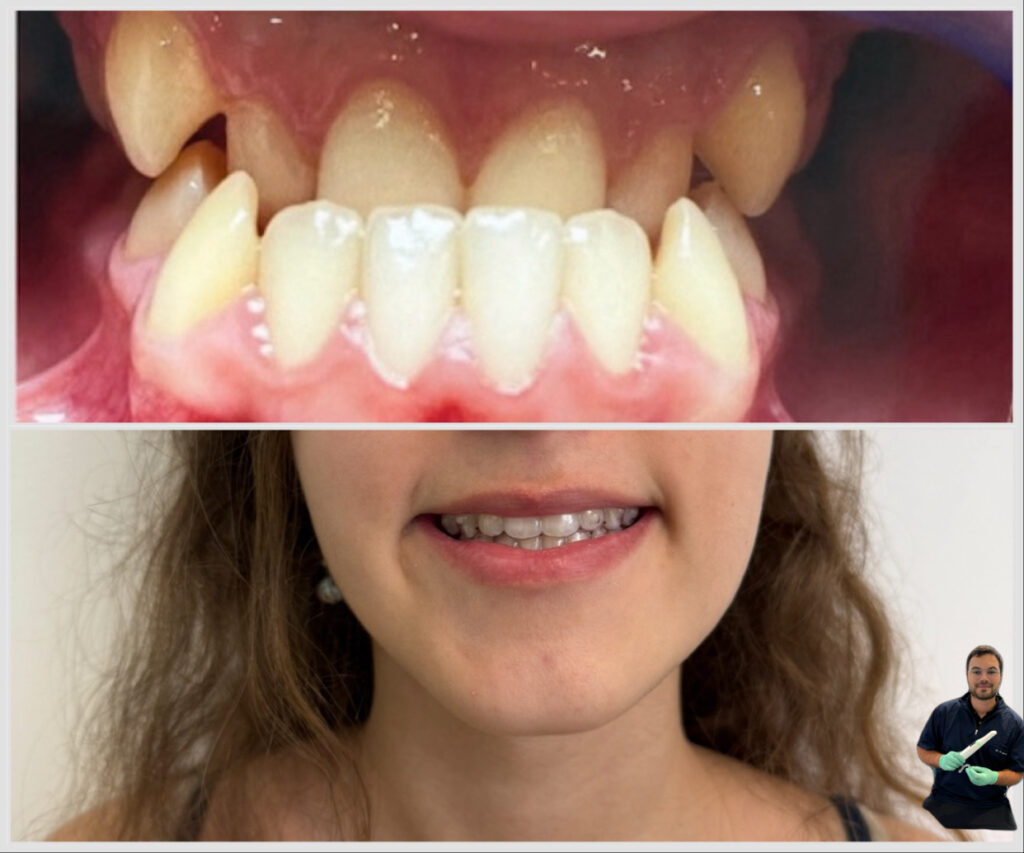
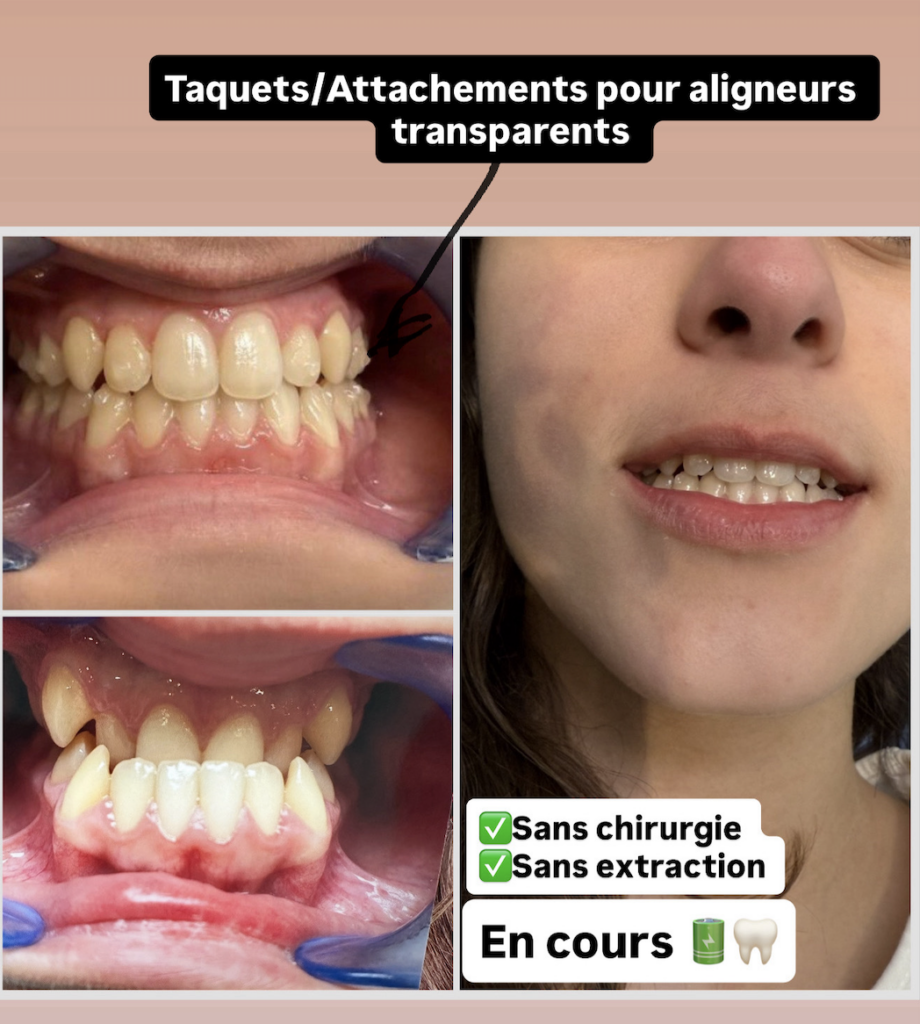
Dr. Arnould’s practice, thanks to its expertise in advanced technologies, offers orthodontic treatments that can avoid tooth extractions. Depending on the case, it is possible to create enough space to align teeth without resorting to maxillofacial surgery or tooth extraction. We recommend early screening for your child, ideally between the ages of 6 and 9, to intervene before it’s too late. The ARNOULD TANSON practice also provides orthodontic treatments for adults.
Orthodontiste Luxembourg
| Braces / Traditional braces / Braces | Invisalign / Invisible orthodontics | |
| Treatment duration | 1 to 3 years, the duration varies depending on the case | From 6 months to 2 years, the duration varies depending on the case |
| Removable? | No | Yes |
| Dental cleaning and hygiene | Regular brushing and use of interdental brushes between the brackets | Regular brushing |
| Device power supply and port | 24 hours a day. Certain foods are prohibited to avoid damaging the dental appliance. | Wearing the device is recommended for a maximum of 21 hours a day; it can be removed for meals and evenings out. No food is prohibited. |
| Visits to the Dentist | Every month | Generally every 2 months |
| Benefits of the treatment | – Some very complex cases cannot be corrected with clear aligners. – Several color options are available for the elastics and ceramic or metal brackets. | – Discreet, virtually invisible – Removable, can be easily removed – Less painful – More aesthetically pleasing for adults – More comfortable, less painful – Shorter treatments – Ideal for adults |
Prix et remboursement appareil dentaire Luxembourg. Invisalign Prix Luxembourg.
Conventional orthodontic treatment, with braces for children and adults, but also invisible – aesthetic:
We also have solutions for aligning children’s teeth, from the age of 6.
Having straight teeth in adulthood:
🦷 Treatment with invisible clear aligners: clear aligners / orthodontics for adults:
The advantages of transparent aligners:
Invisible orthodontic treatments using clear aligners have been clinically proven since 1997.
Clear orthodontic aligners are custom-made using computer software and hand-finishing techniques to ensure a perfect fit for your teeth. Each aligner gently moves your teeth horizontally, vertically, and even rotates them if necessary. Your aligners are designed to use the right amount of force in the right place at the right time. When you move to the next set of aligners (usually every two weeks), your teeth gradually shift according to a personalized treatment plan, calculated down to the millimeter, to achieve the results you’re happy with.
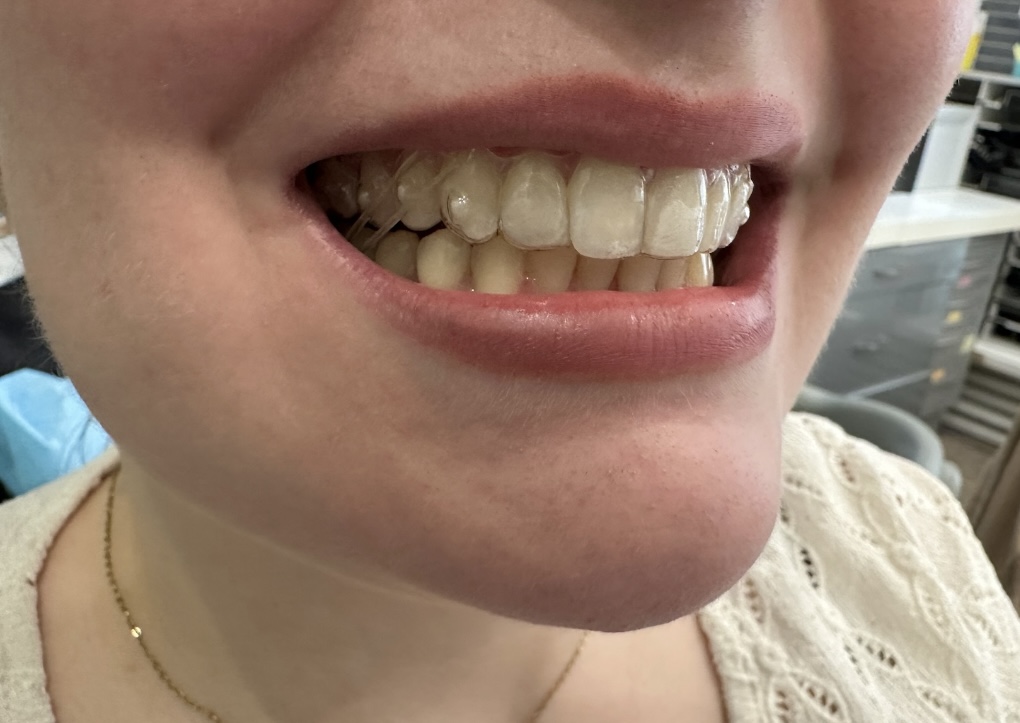
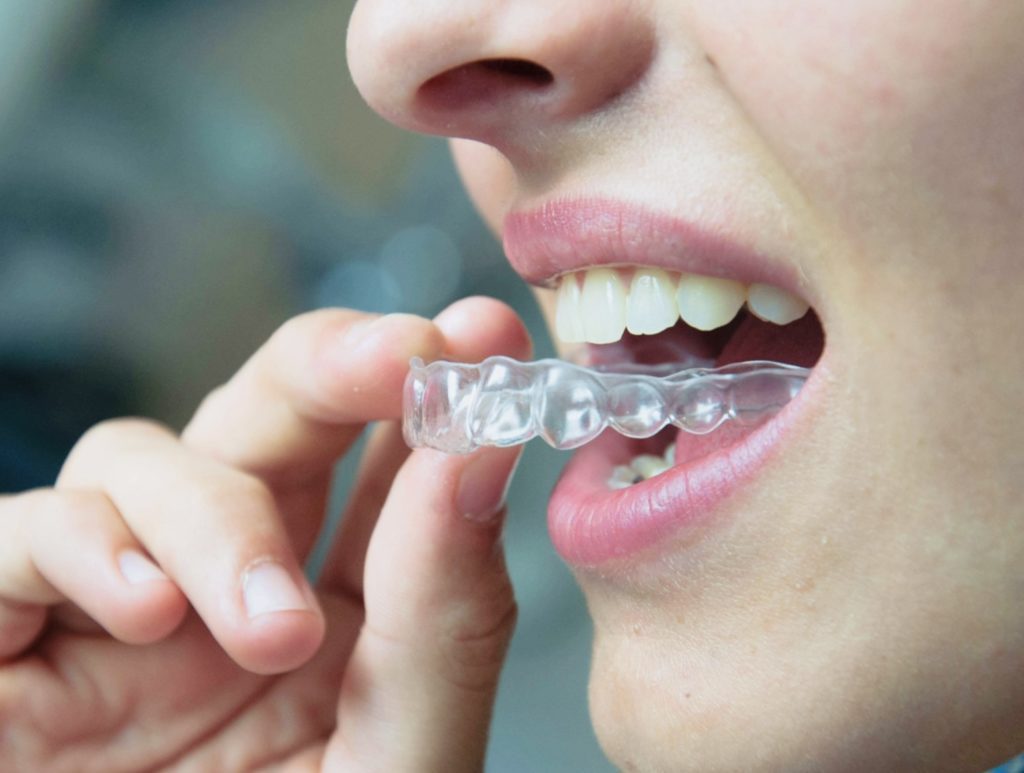
Invisible, aesthetic
The primary advantage of clear aligners is their discreetness. Made of removable thermoplastic, these aligners are virtually invisible due to their transparency. The aesthetic result is therefore far superior to that of traditional braces. This discretion makes it easier for adults, in particular, to take the plunge. The treatment is aesthetically pleasing, minimally intrusive, and will perfectly correct misaligned teeth, restoring proper occlusion, a smile you love, and proper chewing. It can also alleviate neck pain and headaches that can result from dental malocclusion. During treatment, you can eat, laugh, and speak as you normally would, without any problems; the treatment is discreet.
Another advantage:
Invisible orthodontic treatment with clear aligners is faster than traditional treatment with braces.
Removable
The invisible orthodontic appliance for adults, using clear aligners, is completely removable. However, you will need to wear them almost all day to achieve the desired result. This allows you to eat and drink whatever you like, as you only need to remove the aligners at mealtimes. You will therefore avoid the dietary restrictions associated with traditional braces. No more food getting stuck!
Comfortable, no pain, no injuries
En fonction des mutuelles, les remboursements dentaires peuvent variés ( CMCM , DKV , Harmonie , Axa complémentaire santé, GMI Mutuelle Gamma Santé Frontaliers, etc.) OGBL
Payment can be made in several installments, without fees.

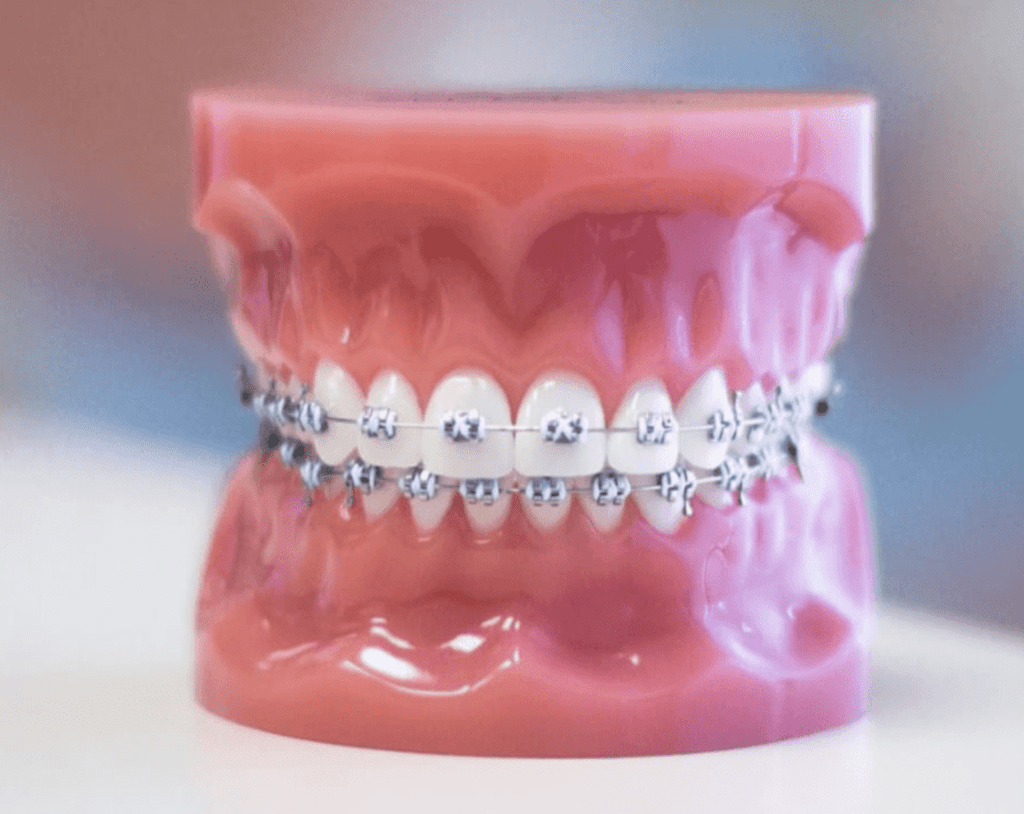
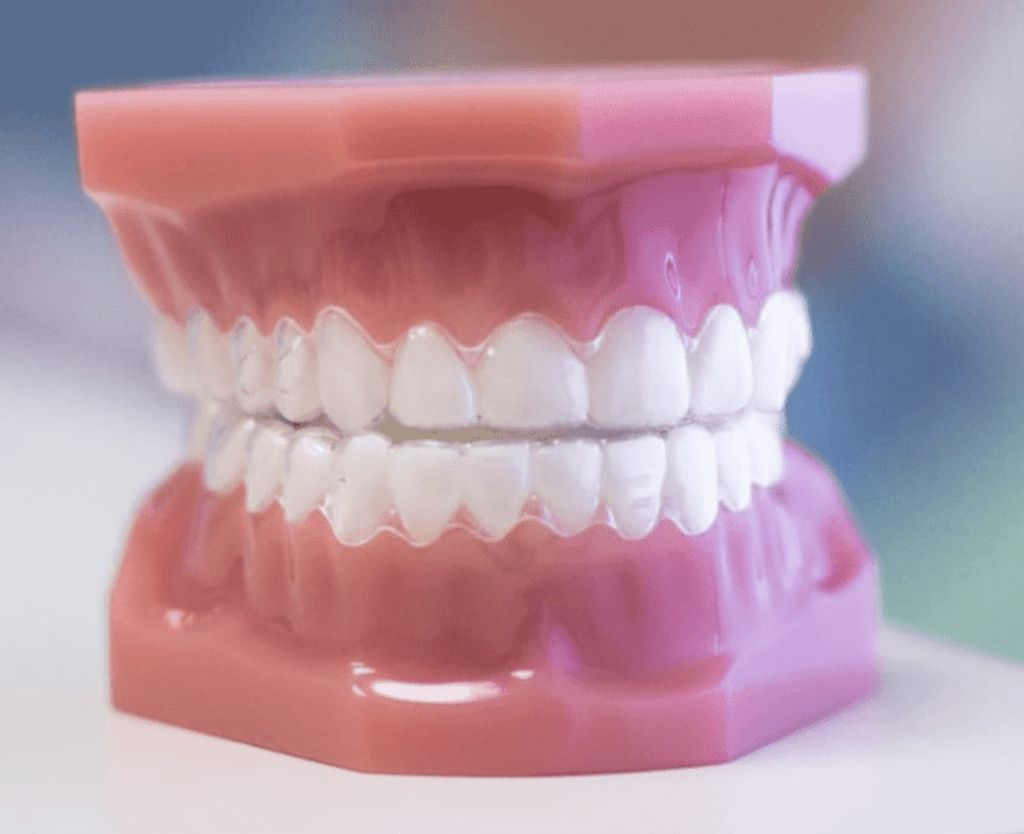
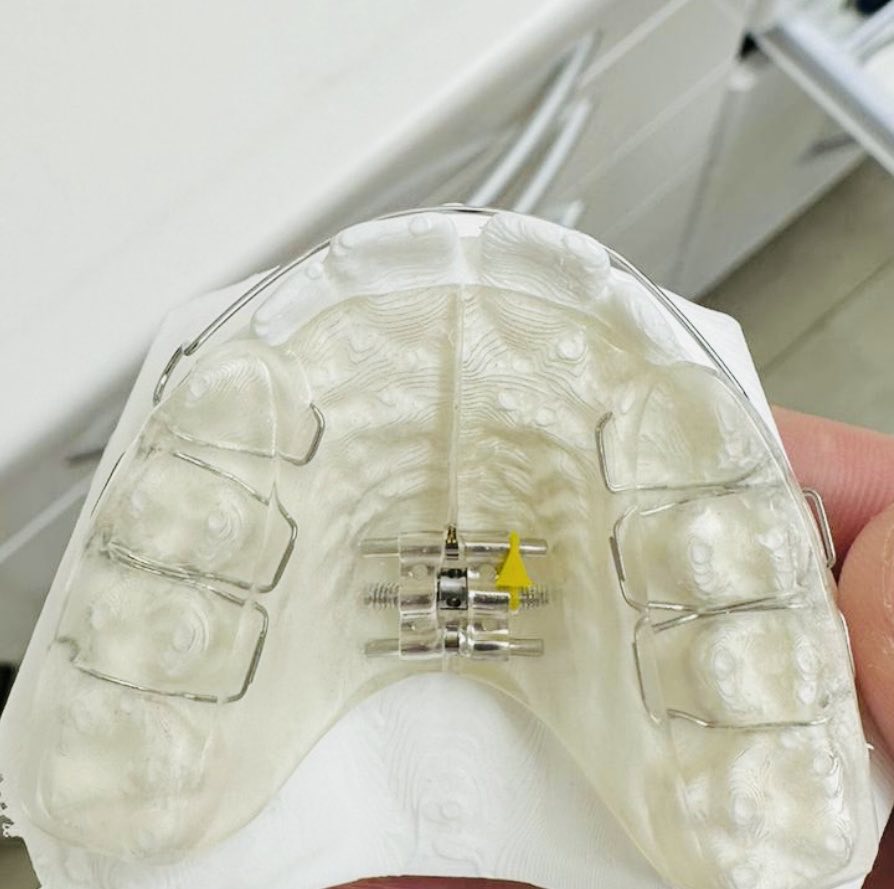
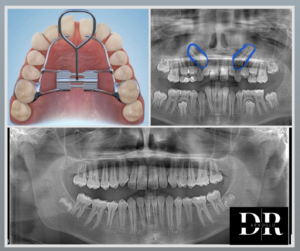
For children: Orthodontic appliances for children, interceptive orthodontics, and braces for teenagers. Ceramic or metal braces, clear aligners also allow for treatment for children, or interceptive orthodontics.
The first consultation, recommended around the age of 5, 6, or 7, will determine whether or not the child needs orthodontic treatment, for example, if they have a jaw misalignment or a lack of symmetry. If the upper teeth are very protruding, if the lower jaw does not perfectly align with the upper jaw, or if there is a discrepancy between the upper and lower teeth, orthodontic braces are necessary. If the child has insufficient jaw development resulting in overcrowding, it is important to intervene at the right time in relation to growth to prevent the situation from worsening.
Orthodontic treatment for children is covered by the CNS before the age of 17.
Orthodontie INVISALIGN LUXEMBOURG PRIX MEILLEUR TRAITEMENT INVISALIGN LUXEMBOURG ORTHODONTISTE
FAQ – Frequently asked questions about orthodontics 😄:
What is orthodontic treatment?
Orthodontic treatment is a way to straighten or move teeth to improve their appearance and function. It can also help with the long-term health of your teeth, gums, and jaw joints by distributing biting pressure evenly across all your teeth.
Why should I have orthodontic treatment?
Many people have crowded, overlapping, crooked, or misaligned teeth, a gap between their front teeth, or a protruding jaw. Orthodontic treatment will straighten or reposition teeth. This can improve their appearance and how they bite and interlock, while also making them easier to clean.
Some people have upper front teeth that protrude and appear unsightly. Because these teeth are too far forward, they are more susceptible to damage, but orthodontic treatment can reposition them. The way the upper and lower jaws meet can also cause unsightly teeth and lead to malocclusion. Orthodontic treatment can correct both of these problems.
When teeth don’t meet properly, it can put strain on the jaw muscles, causing jaw and joint problems, and sometimes headaches. Orthodontic treatment can help you bite more evenly and reduce tension.
The most important thing is to have a complete examination. This usually involves examining your teeth, taking dental X-rays at the doctor’s office, and having impressions of your teeth taken.
How does invisible adult orthodontics with clear aligners work?
These are “clear aligners,” durable, transparent plastic trays used to straighten teeth. Several sets of specially molded and personalized aligners are made for each patient, with precise information embedded in each tray. Each tray is worn daily for two weeks before being replaced with the next. They are virtually invisible and contain a wealth of information to help align the teeth. Discreet attachments are sometimes necessary to enhance the treatment. This ensures maximum discretion, and another advantage is that for special events (parties, weddings, birthdays, etc.), the patient is not required to wear their aligners.
Orthodontic treatment with aligners relies on several brands of clear aligners, but the most important factor is the treatment plan and the practitioner’s expertise. Our practice is also certified by TwinAligner, Smilers Biotech Dental (Made in France), Modern Clear, and Kline. We also work with a Luxembourg-based laboratory that creates custom-made, functional, and aesthetically pleasing orthodontic devices. Depending on your needs for correcting your bite, tooth position, and other factors related to your jaw and tongue, the doctor can select these discreet functional devices. The goal of treatment is to achieve an aesthetic and functional result that perfectly suits you. Treatment will only end when you are completely satisfied. This result can be achieved through various methods, all of which are very discreet.
What happens when teeth are properly aligned?
Retainers hold the newly straightened teeth in place. A thin, discreet retainer wire is placed behind the teeth, so it won’t be visible.
Le Cabinet ARNOULD – TANSON a reçu + 1000 avis positifs de patients. Dr. Arnould est Membre Adhérent de la Société Française d’ODF
His training and daily practice, combined with ongoing professional development in the latest techniques, allow him to offer a full range of treatments. His clinical acumen enables him to develop the most effective treatments based on precise diagnoses.
He dedicates the necessary time to his patients, both children and adults, to foster a thorough understanding and strong commitment to their treatment.
For children: orthodontic interception is reimbursed by
What is orthodontic interceptive treatment?
The goal of interceptive orthodontics is to intercept malposition, malocclusion, or poor dental posture in young children. This type of orthodontic treatment proactively aims to restore normal jaw and dental development during growth.
Therefore, in the event of a clear dental anomaly, interceptive orthodontics should be implemented as early as possible in children, sometimes as early as 4 years of age and preferably before 12 years of age.
In all cases, the orthodontist works closely with the young patient. The latter will need to wear fixed or removable appliances to prevent certain irregularities such as:
- Limited transverse growth of the maxilla due to a lateral crossbite;
- Mandibular deviation, also involving a displaced chin due to a crossbite;
- Inverted or overbite of the incisors blocking jaw growth;
- Underdeveloped upper or lower jaws.
In what cases should orthodontic interception be used?
Interceptive orthodontic treatment is prescribed when the young patient, aged 4 to 12 years, shows signs of malposition, malocclusion, dysfunction or abnormal growth of the jaw and teeth.
More specifically, interceptive orthodontic treatment can be implemented in cases of limited transverse maxillary growth due to a lateral crossbite, or in cases of mandibular deviation involving chin displacement in children.
Interceptive orthodontics is also relevant when incisor overbite or overbite is observed, blocking jaw growth, or when there is clearly insufficient development of the child’s jaws.
The stakes of an interception
Intervention performed as early as possible allows for more effective correction of certain dysfunctions. It thus helps prevent the malocclusion from worsening.
We can also treat the problem of an open bite between the upper and lower incisors. In this case, the upper teeth do not fully (or only very slightly) cover the lower teeth. As a result, the tongue tends to protrude forward, further exacerbating the malformation.
What are the advantages of interceptive orthodontics?
The main advantage of interceptive orthodontics is its early intervention, allowing for the timely correction of any dental anomaly at the first signs and preventing much more serious disorders and dysfunctions.
In this way, interceptive orthodontics can also save you significantly more expensive orthodontic or even orthognathic surgery costs if the dental problem is not intercepted early enough. It could worsen to the point of causing serious consequences for your child’s teeth and overall health.
Indeed, teeth are connected to the entire body, particularly to breathing, swallowing, and chewing. Intercepting a dental problem also means preventing dysfunctions in these essential vital functions.
How does interceptive orthodontic treatment proceed?
Before starting interceptive orthodontic treatment, an initial consultation with an orthodontist is necessary to assess the situation and make a preliminary diagnosis of the child’s jaw and teeth.
If an emerging anomaly is detected in the alignment and positioning of the teeth, the orthodontist will design the interceptive appliance needed to restore normal dental development.
For this, X-rays and a 3D dental impression may be taken.
The orthodontist then fits the interceptive appliance if it is fixed, or checks the correct positioning and fit of the interceptive appliance if it is removable.
The practitioner provides the child and parents with orthodontic instructions to follow throughout the treatment, particularly regarding tooth brushing and the wearing and cleaning of the removable appliance.
Regular appointments are also scheduled during the interceptive orthodontic process to ensure everything is progressing well.
At the end of interceptive orthodontic treatment, and depending on the results obtained, the practitioner must monitor the development of the young patient’s jaw and teeth. This follow-up helps determine if fixed braces or another type of orthodontic treatment is necessary during adolescence.
The effects and price of an orthodontic interceptive appliance for children:
Through interceptive orthodontic treatment, various results are achieved. Depending on the case, growth is stimulated. Any functional disorder is intercepted, and the conditions for balance are restored.
Ultimately, this early orthodontic intervention allows for more “normal” development of the permanent teeth.
In Luxembourg, an initial consultation is required to determine whether interceptive orthodontic treatment is necessary for children. To provide the best possible care and ensure approval by the CNS (National Health Fund), a complete file must be prepared by the practice (photos, a painless 3D digital impression taken with a small, kid-friendly camera, and X-rays). Once this file is complete, our team will submit it directly to the CNS to secure reimbursement for the appliance. It generally takes 2 to 3 months to receive a response from the CNS, which will then approve the reimbursement. We will then schedule an appointment for the appliance fabrication, followed by check-up appointments spaced several weeks apart. For interceptive orthodontics, health insurance companies like DKV, CMCM, and Foyer reimburse almost the entire cost, and the CNS (National Health Fund) covers nearly the entire amount. For the remaining balance, we offer a payment plan spread over several months to help you. The cost of the appliance therefore amounts to just a few tens of euros per month for parents, for a few months of treatment that can facilitate your child’s development and growth.
After orthodontic treatment? Orthodontic retention. A retainer wire is bonded behind the teeth. This retainer, made in Luxembourg and custom-shaped using a digital wire bender after a 3D impression, will keep the teeth in the correct position. In addition to the custom-made retainer wire, Dr. Arnould creates nighttime retainers to secure the retention and maintain the correct position of the teeth. If the teeth have shifted, replacing the last aligners from the orthodontic treatment will help restore the correct position; this ensures a stable and repeatable result.
What should you do if the retainer wire breaks or if the orthodontic retainer comes loose? It can happen that the wire comes loose over the course of a lifetime. Indeed, hard food, forceful or poorly controlled chewing, bruxism, tongue parafunctions… various things can unfortunately cause the retainer wire to break. If this is the case, a custom-made retainer should be worn to maintain its position. In the event of a broken retainer wire, please make an appointment as soon as possible so that the doctor can quickly find a solution for your comfort.
🦷 CABINET ARNOULD TANSON DUDELANGE LUXEMBOURG more information on dentist-tanson.lu 🦷:
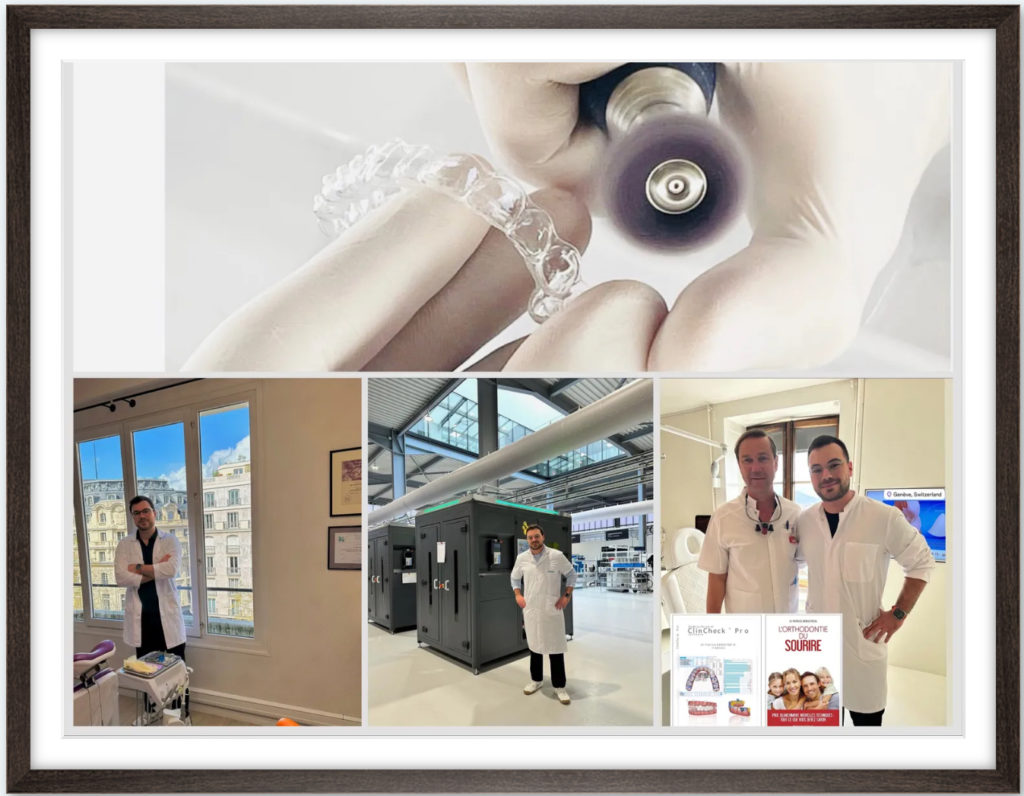
- Office equipped with a device to combat infectious bacteria and coronaviruses.
Air quality certification. IQAir high-efficiency air purification system.
99% effective against COVID-19 and infectious bacteria.
- All staff working at the dental practice are vaccinated against COVID-19.
- Instruments used are sterilized with a γ-sonic device.
- Chair and work surface are disinfected.
Cabinet Invisalign Grande Duchesse Charlotte
A little bonus for adults curious about our teeth whitening services: The Benefits of Teeth Whitening:
A bright smile is often perceived as a sign of health and vitality. The benefits of teeth whitening go beyond aesthetics:
Improved self-esteem: Whiter teeth can boost confidence, particularly in social or professional interactions.
Positive perception: A bright smile is associated with a well-groomed appearance, favorably influencing first impressions.
Affordability: With a variety of options available, whitening is now accessible for different budgets and needs.
Psychological effect: Patients often report an improvement in their well-being after treatment, feeling more comfortable smiling.
However, choosing the right method is crucial to ensure lasting results and avoid undesirable effects, such as tooth sensitivity or enamel damage.
The Different Methods of Teeth Whitening
- Whitening Toothpastes: A Limited Solution
Whitening toothpastes are widely available in pharmacies and supermarkets, promising a whiter smile at a lower cost. They contain abrasive agents (such as baking soda) or mild chemical compounds (low-concentration hydrogen peroxide) to remove surface stains.
Advantages:
Low cost: An economical option for regular use.
Limitations:
Limited effectiveness: These toothpastes only work on extrinsic stains (coffee, tea, tobacco) and have no effect on the intrinsic color of the tooth.
Risk of abrasion: Prolonged use can wear down the enamel, increasing tooth sensitivity.
Minimal results: Shade changes are often imperceptible, even after several weeks.
Due to their low concentration of whitening agents, these toothpastes are not suitable for patients seeking a significant color change. - Smile Bars: An Economical but Risky Option
Smile bars, offered by beauticians or in specialized non-dental centers, use hydrogen peroxide or carbamide peroxide gels at varying concentrations (often 0.1% to 6%). The treatment, which lasts approximately 20 to 60 minutes, is affordable.
Advantages:
Affordable cost: Less expensive than professional dental treatment.
Limitations:
Risks to enamel: High-concentration gels, applied without dental supervision, can cause gum burns or enamel erosion.
Lack of control: Beauticians are not trained to assess oral health, increasing the risk of complications.
Temporary results: The effect often fades within a few weeks.
Increased sensitivity: Patients frequently report post-treatment tooth sensitivity.
This method, although attractive because of its price, is not recommended without prior check-up by a dentist, due to the risks to oral health. - Laser Whitening: A Professional Approach
Laser whitening, performed in a dental office, uses a hydrogen peroxide gel (15 to 38%) activated by a laser or LED light to accelerate the whitening process. A session lasts approximately one hour, with varying costs.
Advantages:
Fast Results: A significantly lighter shade from the first session.
Professional Supervision: Performed by a dentist, ensuring a prior assessment of dental health.
Increased Safety: Protective barriers (rubber dams) are used to prevent gum burns.
Limitations:
Less Effective: Compared to trays, laser whitening offers less lasting and less uniform results, especially for heavily stained teeth.
High Cost: More expensive than smile bars, with no guarantee of superior long-term results.
Tooth Sensitivity: Temporary discomfort is common after treatment. - A major drawback of laser teeth whitening is that it is less effective than whitening with trays.
Although professional, laser whitening is often less effective than trays for deep and lasting results.
- Whitening with Trays: The Aesthetic Standard
Whitening with trays, performed under dental supervision, uses custom-made trays filled with hydrogen peroxide or carbamide gel (10 to 20%). Patients wear the trays at home, generally 2 to 4 hours a day or overnight, for 1 to 3 weeks.
Advantages:
Optimal Effectiveness: Offers more uniform and long-lasting results (up to 1 year with good oral hygiene).
Personalization: The custom-made trays ensure precise application of the gel, minimizing risks to the gums.
Comfort: Use at home, with a dental check-up to adjust the gel concentration.
Safety: Professional supervision reduces the risk of sensitivity or enamel damage.
Limitations:
Treatment Duration: Requires several weeks, unlike the speed of laser whitening.
Compliance: Requires daily discipline to adhere to the prescribed wearing times.
Initial cost: Higher than smile bars, but comparable to laser whitening.
Studies show that tray whitening surpasses laser whitening in terms of durability and uniformity, especially for intrinsic stains, thanks to the prolonged application of the gel.
The choice depends on aesthetic expectations, budget, and dental health. A prior consultation with a dentist is essential to assess the condition of the teeth and gums, as cavities or untreated periodontal disease can worsen sensitivity or cause damage during the whitening process.
Precautions and Maintaining Results
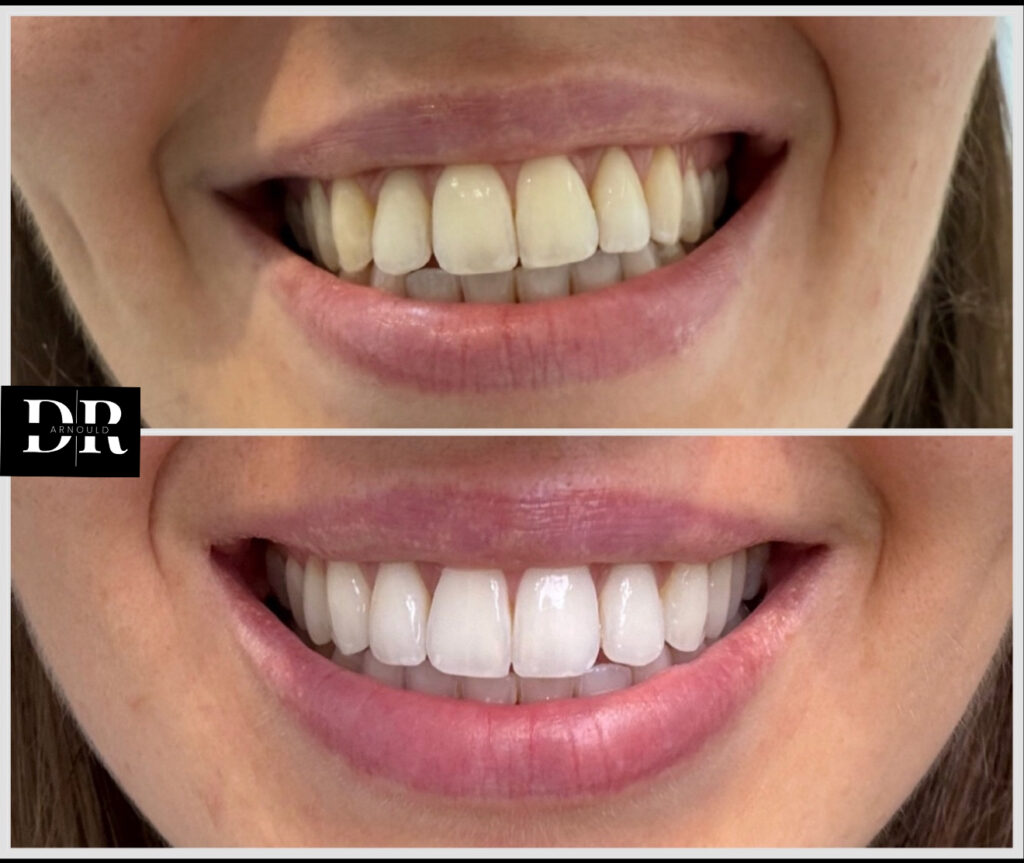
Regardless of the type of whitening, certain precautions are necessary:
Avoid staining foods and drinks (coffee, red wine, tobacco) during and after treatment to prolong the results.
Maintain rigorous oral hygiene: Brush twice a day and use dental floss.
Retention: Periodic touch-ups with trays or whitening toothpaste can maintain whiteness.
Dental consultation: Essential before any treatment to avoid complications, such as excessive sensitivity.
Whitening is not recommended for pregnant women, people with sensitive teeth, or those with restorations (crowns, veneers) that are not suitable for whitening.
Tél: +352 621 257 940
48-52 avenue Grande Duchesse Charlotte L-3440 Dudelange, Luxembourg
More information on: dentiste-tanson.lu

Links:
- Academy of the Smile
- New York University’s College of Dentistry
- French Dental Association
- Harvard School of Dental Medicine: Contemporary Principles of Clear Aligners
Note : 4.7/5 sur 1322 avis.
Invisalign Luxembourg
Invisalign Thionville
zahnspange kosten Luxembourg
orthodontie linguale – Cabinet Grande Duchesse Charlotte Luxembourg
orthodontie incognito